Ranger Safaris - Travel Information
About Tanzania PDF Print E-mail

CLIMATE

Tanzania lies just south of the equator so there is little seasonal variation in temperature, but it is slightly cooler in June/July and warmer in January/February. There is much more variation between the coastal and low lying regions and the high plains and mountain regions. The Northern game parks lie at an altitude of 5,000 to 7,000 feet and have a pleasant climate with warm days and cooler evenings year round. There are two rainy seasons - the long rains during April and May and the short rains in November.

The rest of the year is classified as dry season. In practice the rainfall pattern is neither regular nor predictable. In the rainy seasons the rain often falls in heavy but brief tropical downpours during the evening or night with pleasant sunny days in between. The effects of the rain can cause some animals to disperse and may produce a few local problems with flooding of roads and bridges.

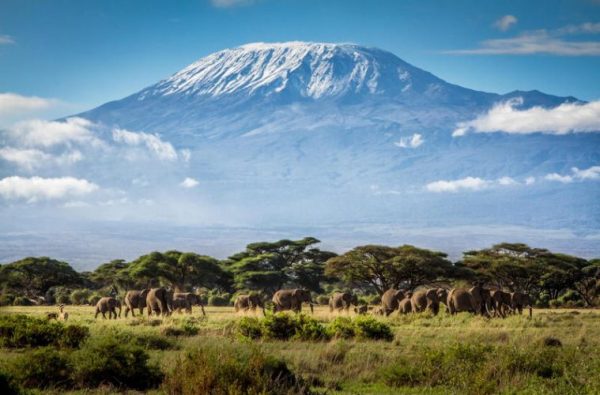
On the other hand, rain makes the atmosphere clean and dust free and the vegetation beautifully lush and green. Whilst the rainy seasons are suitable for safaris, it is not the best time to climb Kilimanjaro, it is less than pleasant climbing and camping in the rain and visibility will also be poor. Similarly the long rainy season is not the best time to visit Zanzibar and several of the hotels are closed during this period.

CURRENCY AND EXCHANGE

The local unit of currency is the Tanzanian Shilling which these days is freely convertible within Tanzania for the US$ and other currencies. There are numerous banks and bureau de change in towns, and most lodges and hotels will exchange currency or traveller’s cheques at reasonable rates.

It is not possible to obtain Tanzanian Shillings outside the country, and it is illegal to export more than a small amount. Many items or services are priced and paid for in US$, so do not convert more funds into the local currency than you need for incidental expenses. Credit cards are accepted at an increasing number of establishments in Tanzania but by no means everywhere. It is not generally possible to obtain cash on a credit card in Tanzania, so it is recommended that visitors carry sufficient funds in the form of travellers cheques.

ELECTRICITY

The power supply is at the UK/European standard voltage of 220/240, and power sockets are the UK square pin type. Remember if you want to use US appliances you will need a voltage convertor as well as a plug convertor. Mains power supply is subject to cuts and voltage fluctuation.

On safari, most lodges power supplies are from generators, and these are often turned off during parts of the day and night to reduce noise and fuel consumption.

COMMUNICATIONS

Ranger Safaris equips all its safari vehicles with two-way radios so that drivers can communicate with their base, each other and the lodges. Most lodges and hotels also have a telephone, but the service, particularly for overseas calls, is both erratic and expensive (a $50 minimum is not uncommon).

More remote lodges and camps are likely to rely on radio for communications. Game parks are not within cell phone range, but satellite telephones work just about anywhere.

FOOD AND DRINK

It is generally recommended to drink only bottled mineral water which is readily available everywhere. There are no restrictions on the sale or consumption of alcoholic drinks in Tanzania. A good selection of local beers and soft drinks are available everywhere, and you will find a range of imported wines, beers and spirits in many places, although these can be expensive.

The quality and value of food in Tanzania is highly variable, and in general, the more expensive the lodge, hotel or restaurant the better and "safer" the food will be. Eat sensibly, be wary of cold buffets and salads - particularly in the first few days of your visit.

LANGUAGE

The official language of Tanzania is Kiswahili. This is spoken and understood by the great majority of the population, many of whom also speak a tribal language. There is a wide usage and understanding of English, and virtually everyone the average tourist is likely to meet in the course of their safari will be fluent.

PUBLIC TRANSPORTATION

There are some long distance coaches which are suitable for use by visitors, such as the daily Nairobi to Arusha shuttle bus. Local bus and minibus services are likely to be uncomfortable, overcrowded and potentially dangerous. There is a railway network, but at best the passenger services can be unreliable and uncomfortable.

Taxis are available everywhere in urban areas, but the condition of these can be very poor. The better hotels generally have a superior selection of taxis available, and it is suggested that you obtain one of these, particularly for longer journeys. It is difficult to hire a car or other vehicle in Tanzania without a driver - it is also inadvisable since the poor state of many of the roads in both town and on safari plus erratic driving by other road users makes driving on most routes tiring and unsafe.

SHOPPING

Most hotels and lodges have gift shops with a selection of local crafts and souvenirs. There are also a few roadside stalls and shops that you will pass en route. You will find some interesting woodcarvings, paintings and batiks. Precious stones and jewellery are also a speciality